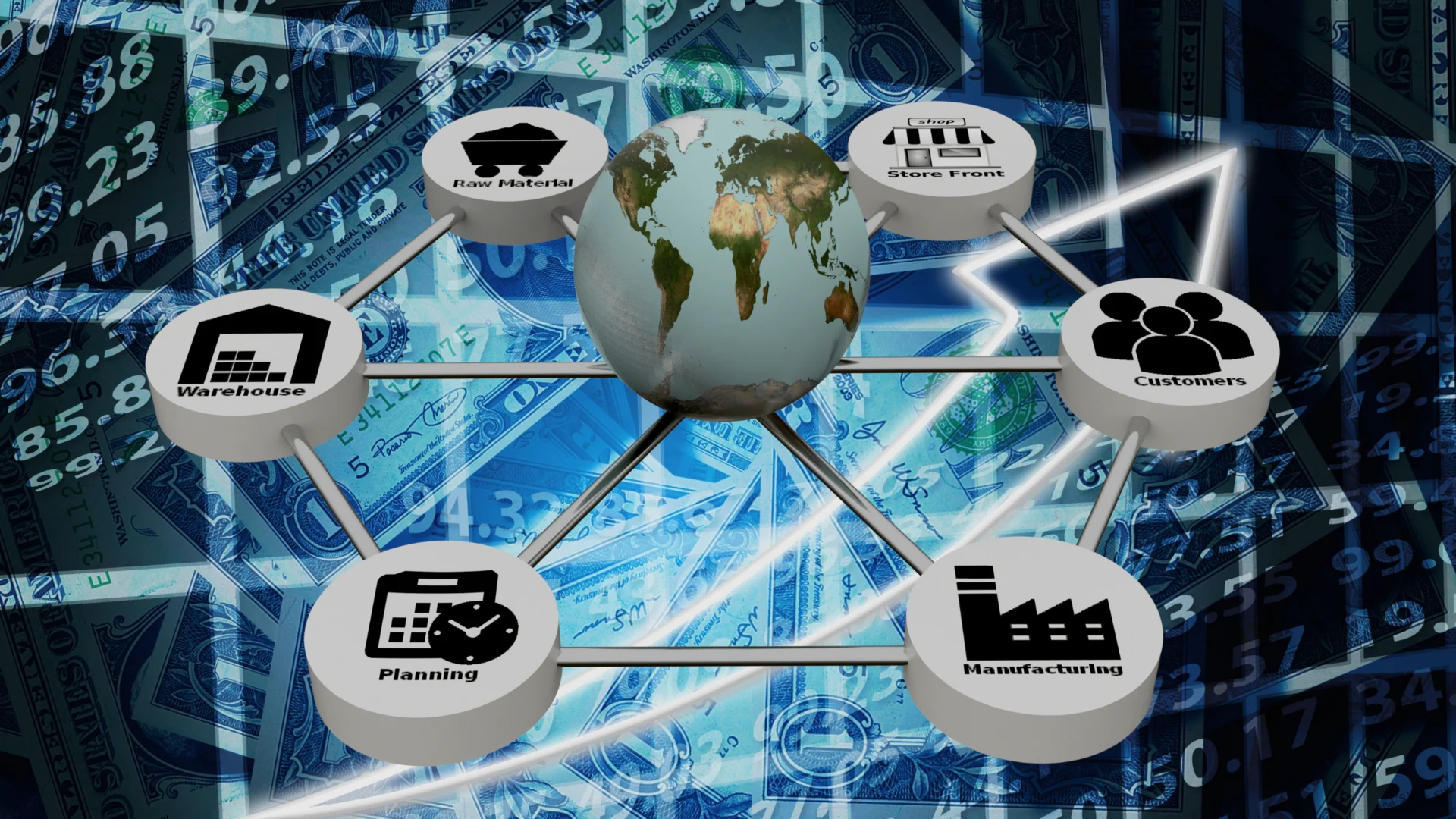
In many manufacturing organizations, MRO supply chain management grew organically. Sites solved problems locally, buyers acted fast to keep equipment running, and inventory decisions were made close to the work.
That approach worked, until it didn’t.
As operations expanded across regions and facilities, decentralized MRO models began to show their limits. Costs became harder to control. Inventory spread unevenly across sites. Procurement lost leverage, and leadership lost visibility.
That is why centralized procurement and inventory have become foundational to modern MRO supply chain management. Not as a rigid control mechanism, but as a way to scale operations without scaling chaos.
Why does decentralized MRO purchasing create cost leakage?
Decentralized MRO purchasing almost always starts with good intentions. Sites want autonomy, maintenance teams need speed, and buyers respond to urgent needs.
Over time, though, that flexibility creates hidden cost.
Duplicate suppliers enter the system. Contract pricing gets bypassed. The same item is purchased under multiple part numbers at different prices. Emergency buys increase because inventory is unevenly distributed.
Industry research consistently shows that unmanaged indirect spend can account for 10–20% of total procurement spend, with limited oversight and high variability across locations.
The challenge is not that sites are doing something wrong. It’s that decentralized models make it nearly impossible to see the full picture or manage MRO as a system.
What centralized procurement models work in manufacturing?
Centralized procurement does not mean removing decision-making from the field. The most effective models balance enterprise control with local execution.
In manufacturing environments, successful centralized procurement typically includes:
- Enterprise sourcing strategies that set preferred suppliers, pricing, and standards
- Local buying authority within defined guardrails to support speed and responsiveness
- Unified systems that capture purchasing activity consistently across sites
This hybrid approach allows organizations to maintain flexibility while improving leverage and visibility. Procurement teams gain insight into total demand, enabling stronger negotiations and more stable supplier relationships.
According to Deloitte, organizations with mature centralized procurement models can reduce indirect procurement costs by 5–15%, largely through improved compliance and consolidation.
What are the benefits of standardization and supplier consolidation?
Centralization creates value quickly through standardization.
When part numbers, specifications, and preferred suppliers align across sites, complexity drops. Procurement gains scale, suppliers gain clarity, and maintenance teams know what to expect.
Supplier consolidation also improves performance. Fewer suppliers mean clearer accountability, better service-level expectations, and stronger collaboration. It becomes easier to track fill rates, lead times, and quality trends.
This is especially important in MRO supply chain management, where availability matters as much as price. Standardization reduces variability, which directly supports uptime and maintenance reliability.
Inventory optimization across multi-site operations
Inventory is where decentralization becomes most visible.
One site overstocks to avoid risk. Another runs lean and reacts to shortages. Across the network, working capital gets trapped while stockouts still occur.
Centralized procurement and inventory models change that dynamic by enabling inventory optimization at scale.
Usage data rolls up across locations, critical spares are positioned intentionally, excess and obsolete inventory becomes easier to identify and redeploy, and inventory turns improve without increasing risk.
The result is a network-level view that supports smarter decisions, rather than site-by-site guesswork.
Integrated supply as the operating system for indirect sourcing
Centralized procurement and inventory only reach their full potential when supported by an integrated supply model.
Integrated supply programs connect sourcing, inventory management, on-site execution, and analytics into a single operating system for indirect materials. They provide the structure that allows centralized strategies to function in real-world environments.
This is where MRO supply chain management becomes scalable. Procurement gains control without slowing operations, inventory aligns to actual demand, and leadership gains visibility into cost, risk, and performance across the enterprise.
Centralized procurement and inventory are not about control for control’s sake. They are about creating a foundation that supports growth, resilience, and consistency.
For organizations looking to scale MRO without scaling complexity, integrated supply provides the system that makes it possible.
Discover more MRO integrated supply solutions from Turtle
Let’s discuss your project requirements