When leaders talk about supply chain visibility, they usually mean direct materials. Forecast accuracy. Supplier lead times. Logistics tracking.
But there’s another part of the supply chain that quietly drives uptime, maintenance response, and operational risk: MRO.
Maintenance, repair, and operating supplies sit at the crossroads of procurement and operations. They are essential, decentralized, and historically hard to see. For many organizations, that makes MRO the biggest blind spot in the enterprise supply chain.
Modern MRO integrated supply programs are changing that. Not through adding complexity, but by turning everyday transactions into usable insight that improves performance.
Why is MRO the blind spot in enterprise supply chains?
MRO spend rarely looks risky on the surface. Individual items are low cost. Purchases are frequent. Decisions are made at the site level to keep work moving.
Over time, this creates fragmentation and limited insight into what is being used, where, and why.
The result is a familiar pattern. Excess inventory in some locations. Stockouts in others. Emergency buys that bypass contracts. Maintenance teams spending time searching for parts instead of fixing equipment.
Without supply chain visibility, MRO becomes reactive. Leaders know it matters, but they lack the data to manage it with the same rigor applied to direct spend.
How do integrated supply programs uncover hidden spend and risk?
MRO integrated supply changes the starting point. Instead of treating MRO as a collection of transactions, it treats it as a system.
Integrated programs organize procurement activity into one space while capturing data consistently across multiple. They standardize item masters, align part numbers, and connect transactions to actual usage.
More importantly, it reveals risk. Leaders can see where critical spares are understocked, where usage patterns signal emerging equipment issues, and where supplier performance creates exposure.
This level of visibility does not come from reporting after the fact. It comes from designing MRO integrated supply programs that embed data capture into everyday workflows.
Visibility tools that turn activity into insight
Supply chain visibility depends on data quality. In MRO environments, that starts with the fundamentals.
- Item master accuracy: Clean, standardized item data creates a common language across sites. It eliminates duplicates and enables meaningful analysis.
- Transaction capture at the point of use: Integrated systems record what was issued, when, and for what purpose. This connects inventory movement to maintenance activity.
- Usage pattern analysis: Over time, transaction data reveals trends like which items drive downtime risk, which parts are overstocked, and which assets consume more MRO than expected.
These tools give operations and procurement teams a shared view of reality that’s grounded in how work happens on the plant floor.
The operational results: fewer stockouts, more uptime, faster response
When visibility improves, results follow.
Fewer stockouts come from inventory aligned to real usage, not assumptions. Uptime improves when critical parts are available before failures occur. Maintenance response accelerates when teams trust that the right materials are where they should be.
Not to mention the financial impact. Excess and obsolete inventory declines. Procurement gains leverage through better demand signals. Working capital improves without introducing risk.
MRO integrated supply does not remove complexity from operations, but makes that complexity manageable.
What visibility maturity looks like
Not all organizations need the same level of visibility on day one. Maturity develops in stages.
Early maturity focuses on basic transparency, clean data, consistent processes, and fewer surprises.
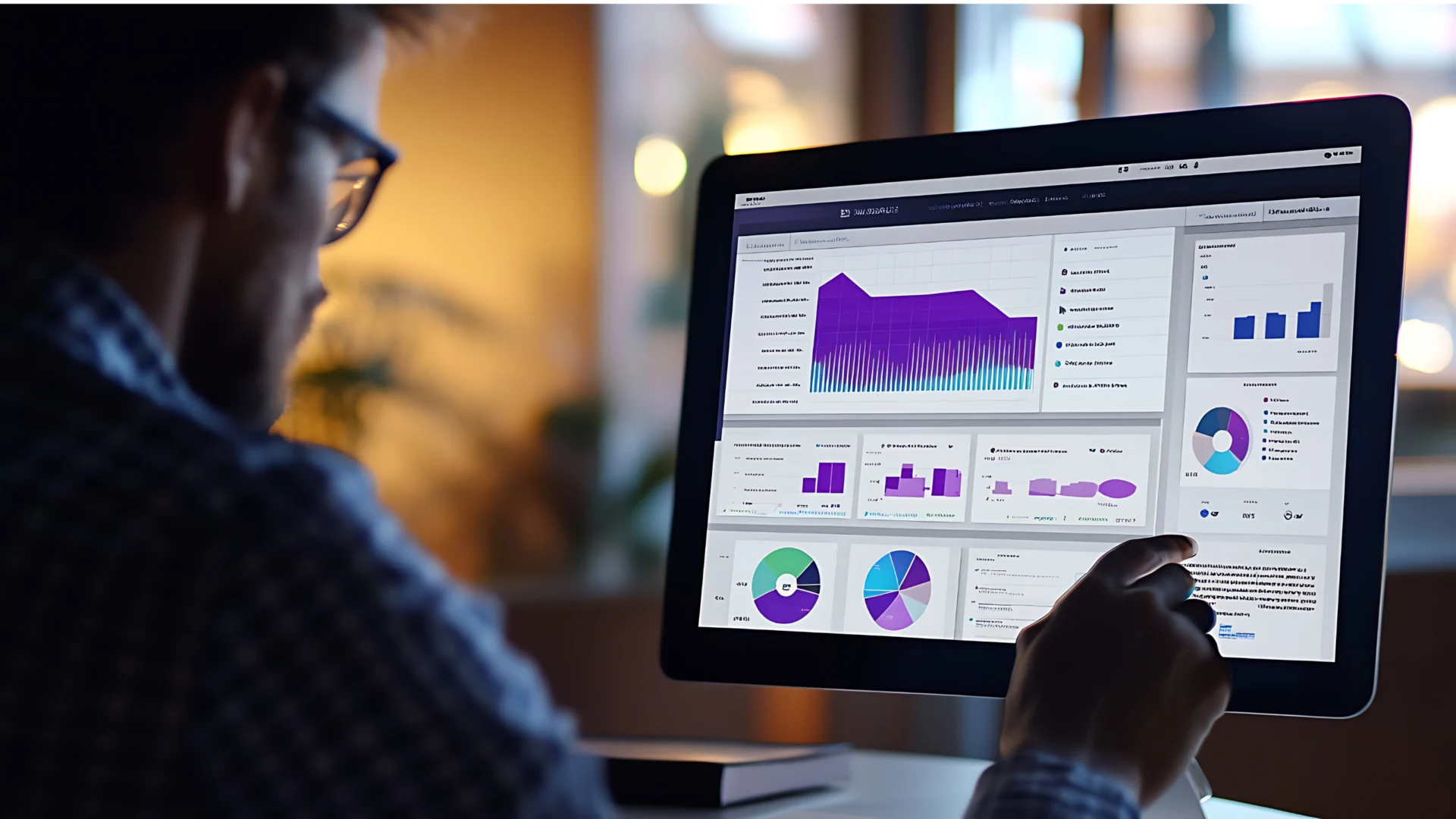
More advanced maturity brings role-based dashboards, site-to-site comparisons, and supplier performance tracking. Leaders can see patterns across the enterprise, not just within individual locations.
At the highest level, supply chain visibility becomes predictive. Usage trends inform maintenance planning. Supplier performance shapes sourcing strategy. MRO stops being a blind spot and starts functioning as a strategic input.
Building visibility through MRO integrated supply gives teams the clarity they need to keep operations running, today and tomorrow.
Let’s discuss your project requirements