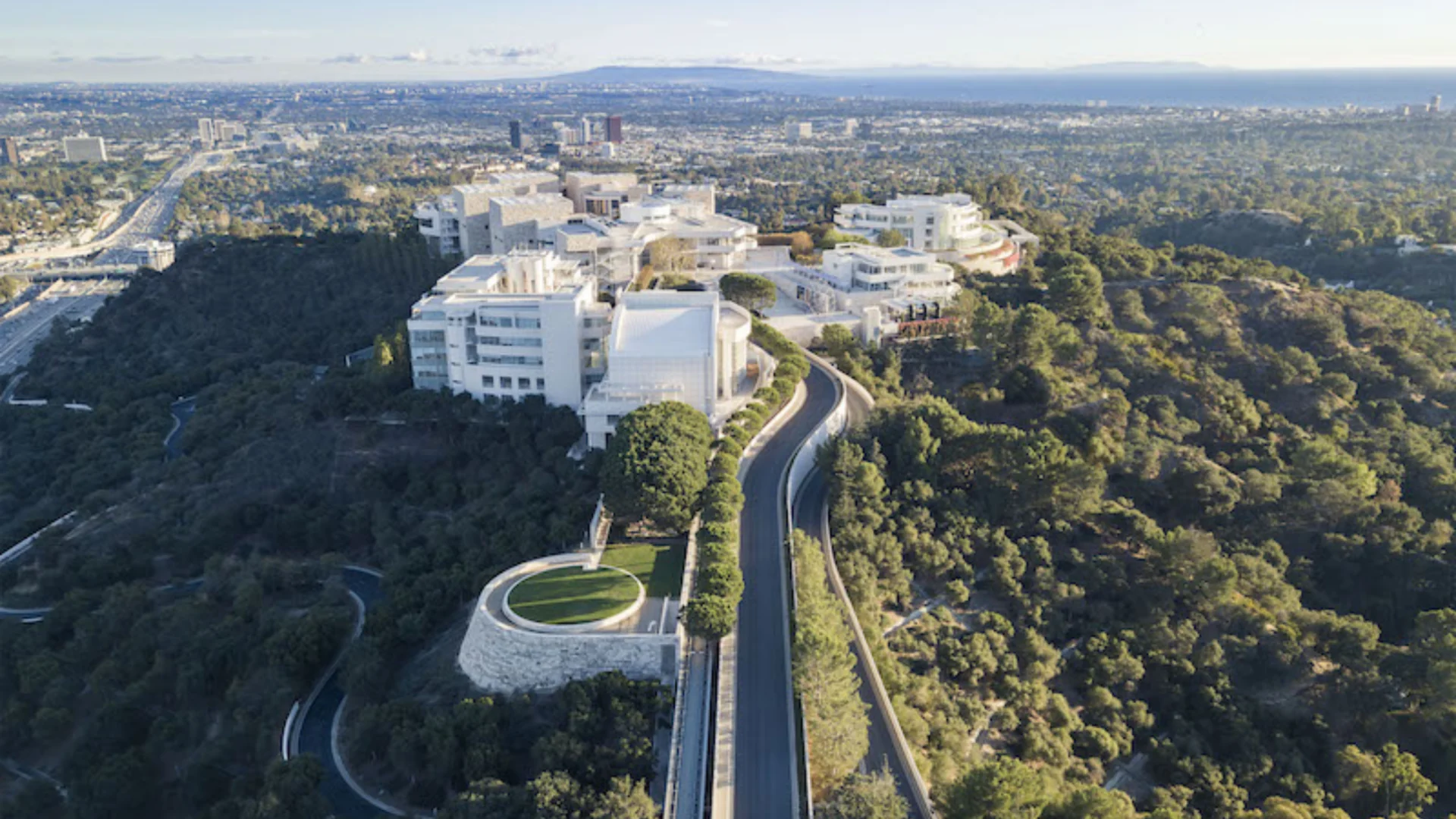
When a world-renowned art institution set out to modernize its lighting and electrical infrastructure, the challenge was clear: upgrade performance without compromising legacy systems that had been in place for decades.
Facilities leaders and engineers know the challenge well: efficiency, resiliency, and code compliance must coexist with the constraints of an environment built for a different era.
A complex retrofit inside a living landmark
The project centered on a comprehensive LED lighting retrofit, paired with the replacement of an aging Challenger distribution board dating back to the 1980s:
- Improve energy efficiency and lighting performance
- Support the addition of new equipment and expanded load requirements
- Maintain as much of the existing infrastructure as possible
- Execute without disrupting an active, high-profile facility
Add tight physical dimensions, multiple design reviews, and utility coordination, and this became far more than a standard panel replacement.
This was infrastructure modernization inside a high-visibility, operational environment.
Engineering precision, delivered collaboratively
From day one, Turtle approached the project as a fully integrated effort connecting engineering, manufacturing, OEM collaboration, and logistics into one aligned strategy:
This was a true design-build collaboration. Through structured coordination sessions, the team worked to:
- Deep technical alignment: Turtle’s sales lead on the project brought a mechanical engineering background and firsthand experience working alongside consulting engineers. That perspective proved critical. Rather than simply quoting equipment, he worked hand-in-hand with the electrical engineering team to value-engineer the proposed design. Multiple rounds of review ensured the new board aligned precisely with field conditions and long-term performance requirements. Turtle collaborated closely with Eaton to validate specifications and navigate manufacturing realities down to granular production details that often go overlooked. That transparency allowed the team to anticipate constraints early and prevent downstream rework.
- Protecting existing infrastructure: The customer prioritized retaining as much of the original infrastructure as possible. That meant extensive on-site coordination, dimensional verification, and careful planning to ensure the new switchboard would integrate seamlessly within tight spatial limitations. This was a measured modernization strategy, balancing preservation with performance.
- Utility coordination and schedule protection: With project timelines at stake, Turtle’s supply chain management solutions helped coordinate engagement with the local utility to accelerate reviews and maintain schedule momentum. Behind the scenes, our team managed communication up and down the value chain, spanning engineering, OEM partners, the utility, and field teams, to keep every stakeholder aligned.
The Turtle promise? Clear ownership. Real-time visibility. No surprises.
Accuracy, efficiency, and long-term confidence
By the time the new board was delivered and installed, the outcome reflected more than technical compliance. The facility gained a modernized, reliable power distribution backbone alongside measurably improved energy performance and lighting quality from the LED retrofit. The project held its schedule through every round of design complexity, and existing infrastructure was preserved where possible, protecting investments the customer had already made.
Most importantly, the customer carried confidence from design through deployment. That level of certainty is built deliberately, through a distributor who operates as a true extension of your engineering and project teams, staying engaged at every stage until every detail is resolved.
The Turtle difference: Going further when it matters
In Los Angeles, we’ve spent the last few years rebuilding our switchgear team from the ground up, bringing together experienced specialists with a shared mindset: collaborative, proactive, and relentlessly focused on the customer. This project reflected that ethos.
Our team didn’t wait for problems to surface. They anticipated needs, identified potential constraints early, and stayed deeply involved from specification through manufacturing and delivery. That proactive approach prevented delays, protected design intent, and ensured the final installation performed exactly as required.
This is what next-generation distribution excellence looks like: technical fluency, cross-functional coordination, and accountability that extends beyond materials management.
The takeaway
Modernizing legacy infrastructure requires a partner who understands engineering, manufacturing realities, utility processes, jobsite constraints, and who is willing to stay engaged until every detail is right.
If you are planning a lighting retrofit, switchgear upgrade, or complex infrastructure modernization, ask yourself: Are your distribution partners simply supplying equipment, or are they helping you engineer impact?
Let’s discuss your project requirements