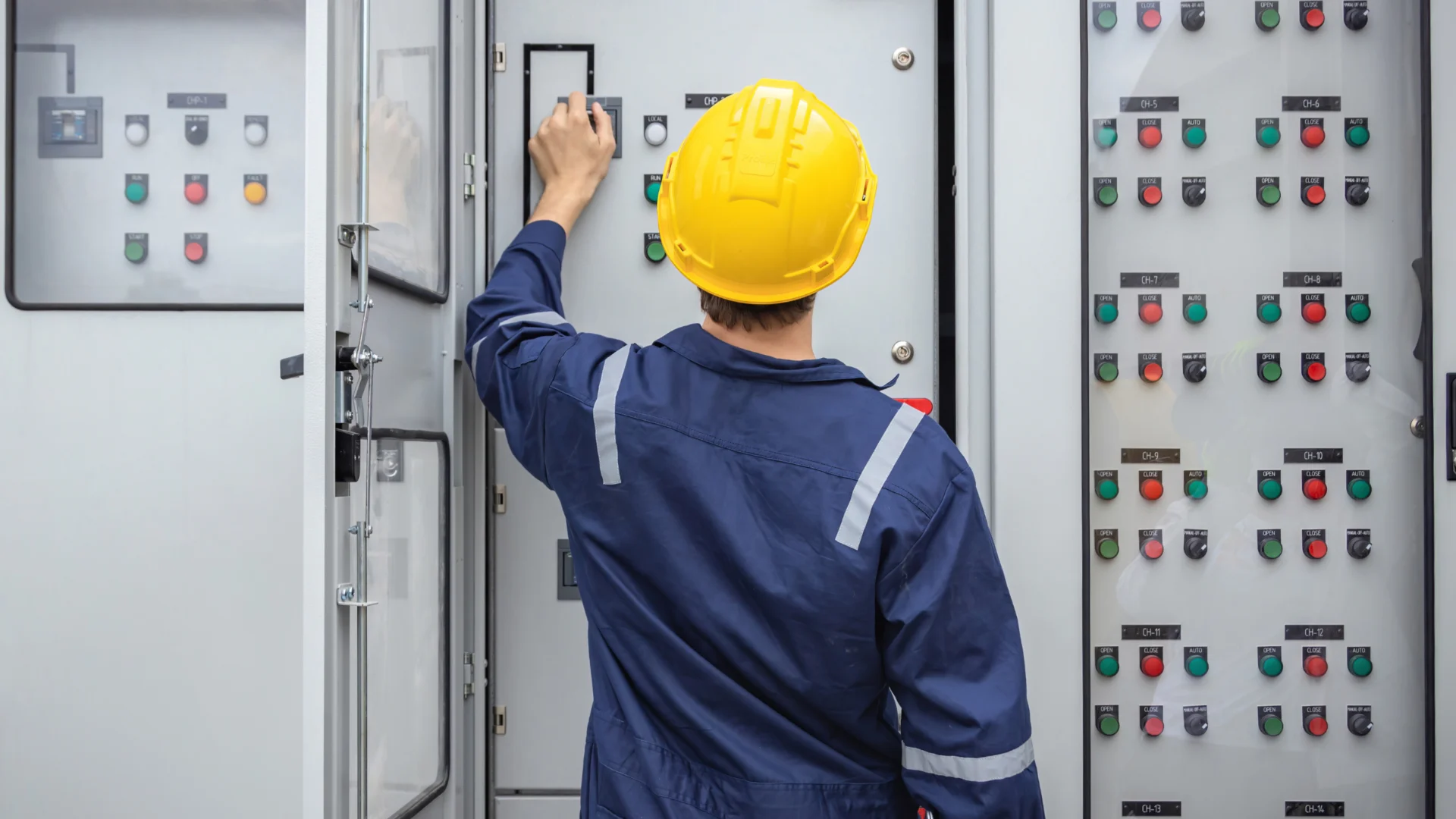
Many facilities are still relying on energy infrastructure that isn’t equipped to meet today’s power quality demands.
A smart energy upgrade modernizes electrical infrastructure so facilities can monitor, manage, and adapt energy use in real time. For facility managers and engineers, the question is not whether change is coming, but how to recognize when your existing system is no longer cutting it.
Below are four clear signs your energy infrastructure may be ready for a smart energy upgrade.
What are the most common signs a facility needs a smart energy upgrade?
Facilities typically show operational, cost, or compliance symptoms before a failure occurs. Each of the following signals indicates increasing risk and reduced flexibility.
1. Frequent outages or power quality issues
Power quality problems are a leading indicator that legacy infrastructure is under strain. Short interruptions, voltage fluctuations, and breaker trips can damage equipment and disrupt operations.
Common indicators include:
- Brief, unexplained outages
- Voltage sags, surges, or flickering lights
- Overheating or premature equipment failure
Smart energy systems provide continuous visibility into electrical performance. Energy monitoring tools identify power quality issues before they escalate, including harmonics, phase imbalance, and poor power factor. This allows facility teams to address problems proactively and protect uptime.
2. Rising energy bills without operational changes
Unexplained increases in energy costs often stem from outdated electrical infrastructure. Many facilities pay not only for total energy consumption, but also for when and how energy is used.
Facilities without modern controls commonly experience:
- Demand charges driven by unmanaged peak loads
- Power factor penalties
- Energy waste during nights, weekends, or low-occupancy periods
A smart energy system helps facilities:
- Track real-time energy use by load or system
- Identify off-hour and peak-period inefficiencies
- Shift or automate loads to reduce demand charges
Infrastructure modernization can also enable participation in time-of-use pricing, demand response programs, and behind-the-meter energy strategies.
3. Electrical capacity limits are restricting growth or electrification
Legacy infrastructure often cannot support modern electrification requirements. As facilities add EV charging, automation, or IT-intensive equipment, electrical capacity becomes a constraint.
Warning signs include:
- Tripped circuits during peak operations
- Delays adding new equipment due to power limitations
- Difficulty integrating EV chargers or renewable energy systems
Smart energy infrastructure enables scalable capacity planning, allowing facilities to forecast demand, add new loads, and adapt without repeated retrofits.
4. Increasing pressure to meet sustainability or compliance goals
Sustainability reporting and energy compliance depend on accurate, real-time data. Facilities without modern systems often struggle to quantify performance or demonstrate progress.
Common challenges include:
- Limited visibility into energy and carbon performance
- Difficulty integrating on-site renewables
- Ineligibility for incentives, rebates, or grid programs
Smart energy platforms provide:
- Real-time energy and emissions tracking
- Load profiles that support renewable integration
- A foundation for electrification and resiliency planning
Grid-interactive infrastructure, including microgrids and battery energy storage systems (BESS), is becoming a baseline requirement for many facilities rather than a future option.
What does smart energy infrastructure include?
Smart energy upgrades combine hardware, software, and controls to create flexible, connected systems.
Key components include:
- Advanced energy monitoring that tracks voltage, current, and power quality in real time
- Battery energy storage systems (BESS) that reduce peak demand and provide backup power
- Microgrid integration that manages on-site generation, storage, and grid interaction
- Automated controls and sensors that balance loads and improve power factor
- On-site renewables that support electrification and clean energy goals
Smart energy systems integrate monitoring, control, and storage into a single operational framework.
Why does acting early on smart energy matter?
Delaying infrastructure upgrades increases operational and financial risk. When failures occur, upgrades become reactive and more expensive.
Early smart energy investments help facilities:
- Reduce exposure to outages and equipment damage
- Improve cost predictability as energy markets change
- Plan electrification and modernization on their own timeline
Smart energy upgrades shift facilities from reactive maintenance to proactive infrastructure management.
How does Turtle support smart energy upgrades?
Turtle supports facility managers and engineers through every phase of smart energy modernization.
Turtle provides:
- On-site energy and infrastructure assessments
- System design and right-sized upgrade planning
- Integration of monitoring, controls, and energy storage
- Guidance on incentives, rebates, and compliance requirements
- Lifecycle support from planning through deployment
Turtle delivers integrated smart energy infrastructure that supports modernization, electrification, and resilience.
If your facility is showing one of these signs, others are likely to follow. A structured assessment is the first step toward clarity and control.
Take the next step toward smarter energy infrastructure
Upgrading energy infrastructure starts with a clear understanding of how your systems perform today and what they need to support tomorrow. Whether you are evaluating power quality, exploring battery energy storage systems (BESS), or planning for microgrid integration, a structured approach helps turn insight into action.
Turtle works with facility teams to assess current conditions, design integrated solutions, and implement smart energy systems that combine monitoring, controls, and storage into a connected, scalable framework.
Connect with our team to evaluate your energy infrastructure and identify the right path toward a smarter, more resilient energy strategy.
Let’s discuss your project requirements