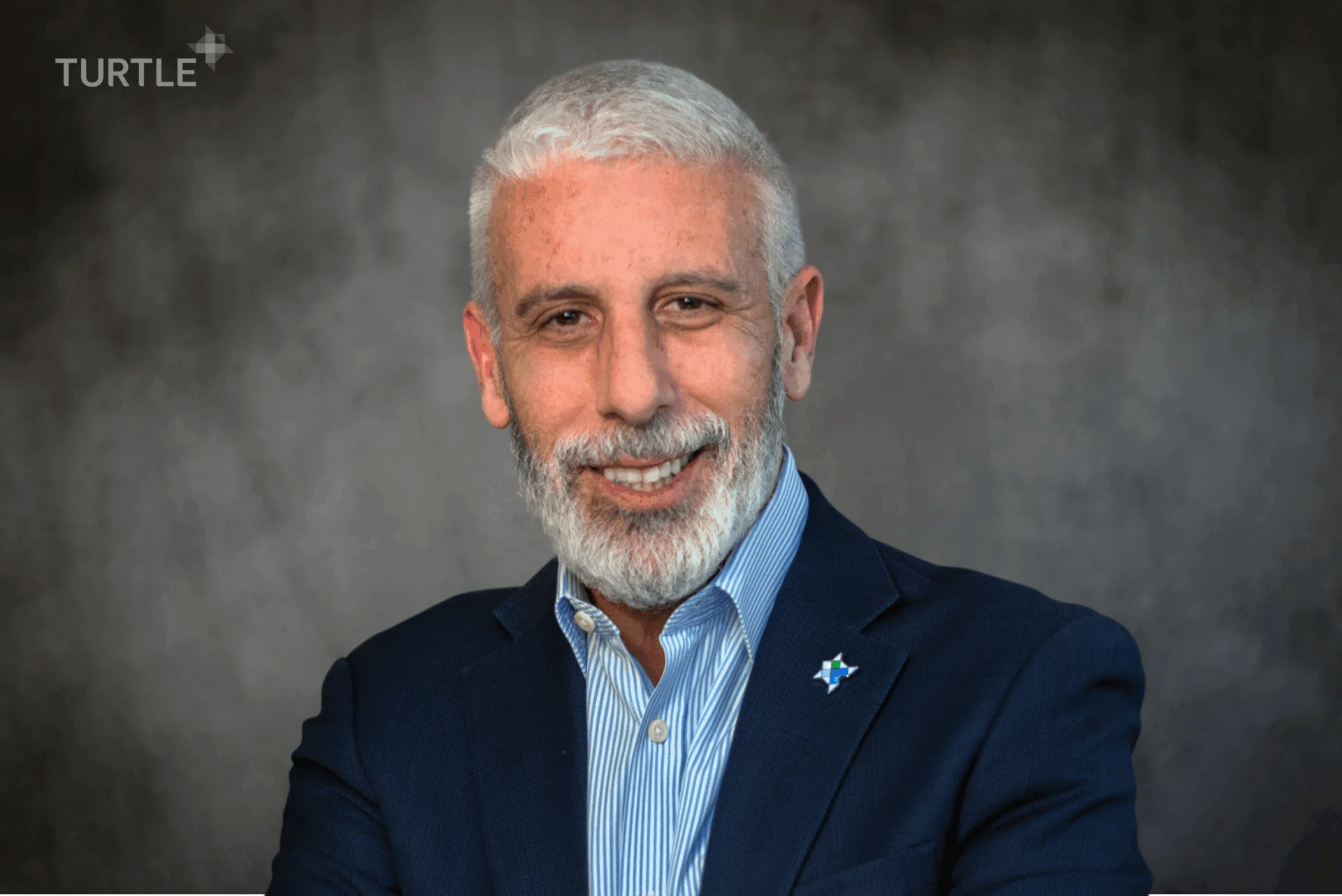
When Chief Executive Magazine asked six CEOs how they’re adapting strategy to an environment where disruption is no longer cyclical but constant, Turtle Co-Chief Executive Officer (Co-CEO) Luis Valls pointed to a simple principle: plan before pressure builds.
Valls told the magazine that volatility has become part of the operating environment, citing tariff uncertainty and geopolitical tension as forces reshaping supplier markets across electrical and industrial distribution. For critical infrastructure equipment, including transformers and switchgear, lead times can now stretch for years. That leaves little room for companies to wait, react, and hope capacity is available when they need it. For Turtle, a fourth-generation, family-owned national electrical distributor and systems integrator headquartered in Clark, New Jersey, this reality has changed how we plan. Our teams look beyond quarterly needs and build supply chain strategies that support customers years into the future.
From distributor to infrastructure solutions partner
Turtle’s strategy reflects a broader shift in how we serve customers. We continue to provide the products and technical expertise our customers rely on, while taking a more active role in planning, sourcing, staging, and coordinating the infrastructure that keeps projects moving. “In critical infrastructure, a missed shipment isn’t just an inconvenience — it’s downtime, lost revenue, or operational risk,” Valls explained to Chief Executive.
In critical infrastructure, delayed equipment can affect uptime, revenue, safety, and operational continuity. Customers need more than order fulfillment. They need a partner that can anticipate constraints, secure capacity, and reduce the burden on their teams.
To support that need, Turtle has expanded global dual sourcing, built strategic inventory positions, staged long-lead equipment earlier in the project cycle, and strengthened manufacturer relationships around the world. Valls has also traveled to Turkey and Mexico to evaluate potential original equipment manufacturer (OEM) partnerships. A decade ago, that kind of direct supplier engagement may have seemed optional. Today, it is central to responsible infrastructure planning.
As Valls told the magazine, “Before, supply chain was taken for granted. Now it’s a strategic part of our infrastructure planning.”
Developing talent before knowledge walks out the door
Turtle is applying the same long-range thinking to workforce development. As experienced workers retire, companies risk losing decades of technical knowledge, customer history, and practical judgment. Valls has made clear that Turtle cannot wait for that gap to become urgent before acting. The response: expanded training and mentorship programs, digital knowledge capture tools that allow employees to access guidance in real time, and a companywide skills-gap analysis designed to map not just today’s capabilities, but tomorrow’s requirements.
“We’re looking at not only what skills our people need today but tomorrow, and how do we start preparing them for that?” Valls explained. “We think it’s important to have a roadmap for this new generation where they can see that they can grow and be challenged.”
The takeaway
Across industries, CEOs are facing faster shifts in policy, supply, labor, and customer demand. Turtle’s approach is grounded in discipline: plan further ahead, build flexibility into the system, and invest in the people and supplier relationships that help customers move through volatility with greater confidence.
For the full article by Jennifer Pellet, read “How To Set Strategy At The Speed Of Disruption” on Chief Executive Magazine.
Let’s discuss your project requirements